

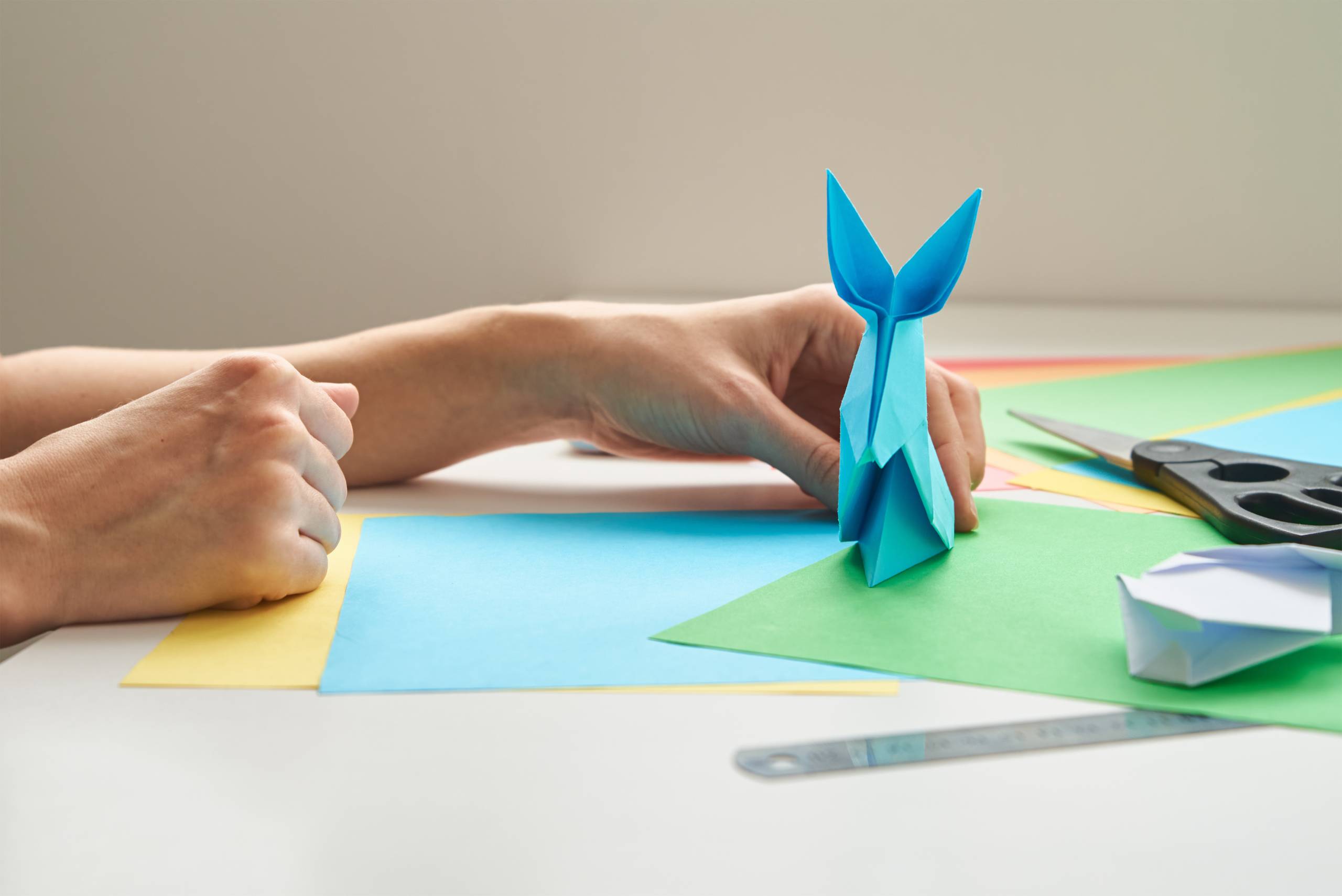
Paper isn’t just a delicate and ephemeral medium for creating art. Instead, with patience and discipline, it can be molded into a sculptural piece. The sculptor must understand that a sheet of paper has a certain amount of tension, a direction, an element of resistance, and a memory that can be molded into space and volume. It’s this understanding of the paper itself that differentiates a well-crafted paper sculpture from a simply decorative one. When paper is treated with respect for the way that it behaves, it’s capable of exhibiting a surprising amount of strength, rhythm, and sense of space.
When it comes to paper sculpting, understanding how the material will react to each fold, cut, and layer is crucial. Each fold, cut, and layer of paper will introduce tension and resistance into the piece, and the paper will “remember” each crease, fold, and curve throughout the sculpting process. This means that a paper sculpture can hold its own shape without the need for extra structural support, as long as the folds and joints are logical and not arbitrary. An artist begins to master the medium once they learn how to build a form using knowledge rather than just experimentation.
Furthermore, it’s essential to understand that sculpting with paper doesn’t necessarily involve abandoning the two-dimensional plane. In fact, many paper sculptures still retain elements of their flat origins. Paper sculptors use edges, seams, and planes to help guide the viewer’s eye as it moves from a two-dimensional space into a three-dimensional space. The movement from 2D to 3D can create a rhythmic effect as light and shadow interact with the planes of the sculpture. As long as the sculpture moves coherently from 2D to 3D, the piece will appear resolved, balanced, and grounded in a sense of logic.
The process of creating a paper sculpture can greatly impact the final product. Hasty attempts to rush into complex sculpting techniques can result in unstable and busy paper sculptures, while slow and deliberate pacing can help create a sense of clarity. Starting with simple modules, repeated folding, or simple geometric shapes can help an artist better understand how the paper will behave under certain circumstances. As the artist becomes more comfortable, more complexity can be added. This way, the sculpting process becomes a conversation with the paper rather than a series of independent attempts.
Finally, paper sculpting requires attention. Every decision impacts the next, and the final sculpture will reflect the discipline of the process. When an artist slows down and observes how the paper reacts to their decisions, the end result is a more thoughtful piece of art. Paper sculpting requires patience, control, and a sense of spatial reasoning, and the artist’s discipline will shine through even in the flimsiest of materials.