

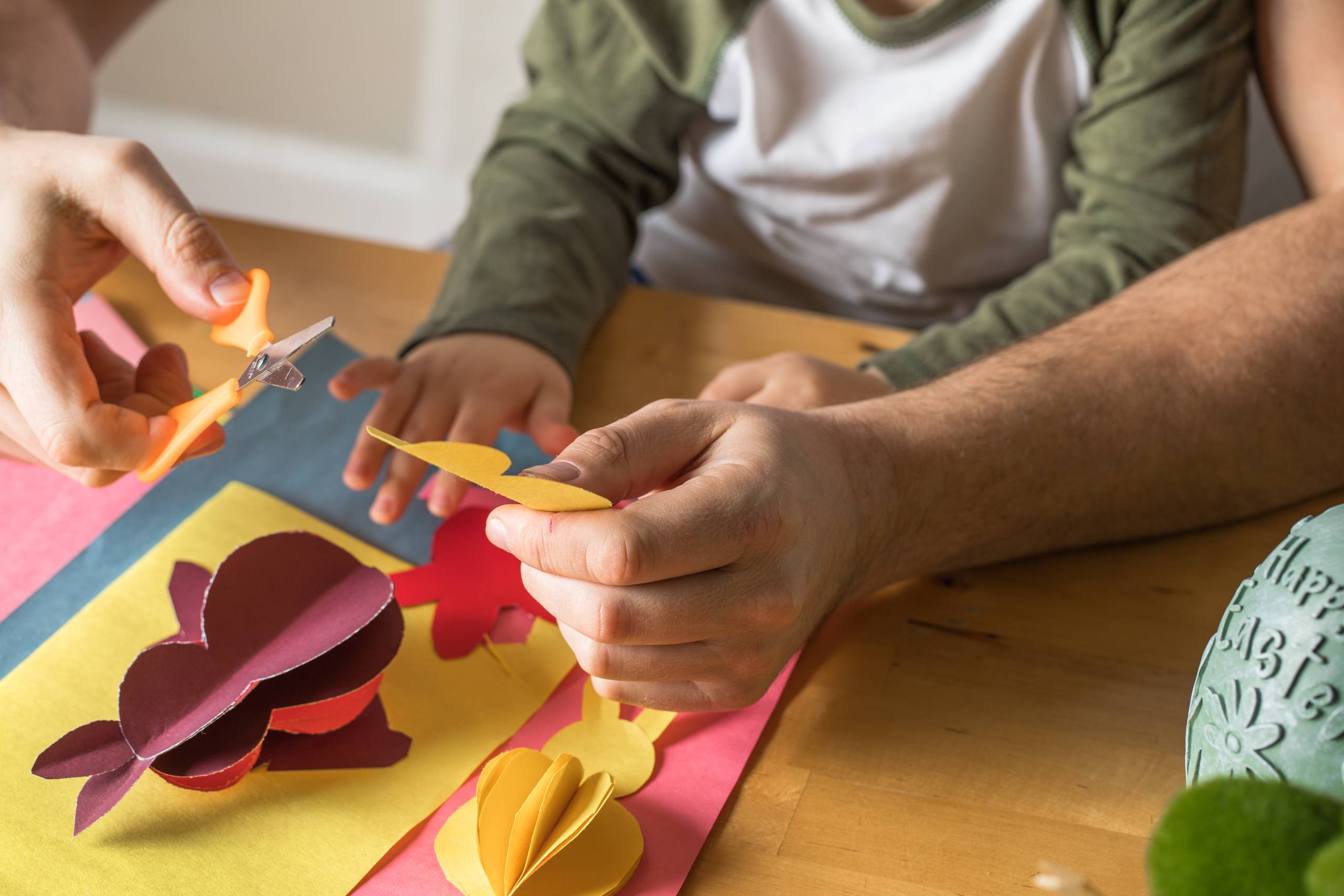
Besides structure and strength, the quality of the surface will determine whether the object looks integrated or disjointed. Rhythm is the creation of unity through the repetition, variation, and direction of the surface. With these elements working together, the surface of the object is dynamic and guides the viewer’s eye rather than relying on complexity to draw interest.
With paper, rhythm is critical since the surface will dramatically reflect light. Slight inclines will cause shadows and highlights that will suggest mass and volume. If the surface elements are designed with respect to the way they will reflect light, the object will appear more massive and structured without added bulk. Conversely, if the surface elements are disregarded, light may reflect awkwardly from the surface, flattening the object and masking its underlying structure. Visual flow is achieved when the surface elements flow from one to the next allowing light to clarify the structure of the object rather than distract from it.
Repetition is what gives strength to surface design. To repeat a pattern without variation leads to stagnation and dullness. Simple controlled variation such as a gradual increase in size or direction will keep the surface interesting without loss of integration. Variations serve as accents and will aid in the clarity of the structure of the piece. In paper sculpture slight variations can make a drastic difference so editing is a valuable tool.
Direction is the final property of surface rhythm. The lines suggested by folds, edges, and seams will lead the eye. When these implied lines are brought together or aligned, they suggest pathways and purpose. Implied lines that fail to lead anywhere will disturb the flow and suggest unresolved stress. The direction suggested by the surface elements should be integrated with the structure of the object so the visual and physical systems are working together.
A well developed surface rhythm takes time and observation to achieve. It is something that is often perfected in the refinement process rather than in the initial building process. Small adjustments may drastically alter the way the surface reads after a period of time and under different lighting conditions. The surface should be considered an element of structure rather than an afterthought and paper sculpture will benefit from an added layer of depth, clarity, and continuity. The final product will be an object that reads through subtlety rather than complexity and will repay the viewer for a long period of observation with a sense of resolution and intent.